10 Questions to Ask Yourself Instead of Tracking Calories
- Awaken With Ashley Life Coaching
- Dec 8, 2025
- 6 min read

What if the path to a healthier relationship with food didn't involve counting, measuring, or tracking numbers at all? While calorie counting might seem like the logical approach to wellness, it often disconnects us from the very wisdom our bodies are trying to share.
Instead of focusing on external metrics, we can cultivate a deeper awareness by asking ourselves thoughtful questions that honor both our physical needs and emotional well-being. These gentle inquiries invite us to tune into our body's natural intelligence, which is the same intelligence that has guided human nourishment for thousands of years.
Here are ten powerful questions that can replace calorie tracking while building trust, awareness, and genuine connection with your body.
1. Am I genuinely hungry right now?
This might sound simple, but distinguishing between true physical hunger and other eating triggers is a skill many of us have lost. Physical hunger often develops gradually and can wait a bit if needed. It shows up as gentle stomach sensations, low energy, or difficulty concentrating.
Emotional hunger, on the other hand, tends to feel urgent and specific. It might call for particular comfort foods or arrive suddenly during stressful moments. Neither type of hunger is wrong; they're just different, and recognizing the difference helps you respond appropriately.
Take a moment to pause before eating and notice: What am I actually feeling in my body right now? This simple check-in can transform your relationship with food from reactive to responsive.

2. How does this food make me feel in my body?
Your body provides constant feedback about what nourishes it and what doesn't. This feedback system is far more sophisticated than any calorie-counting app. It considers your individual metabolism, stress levels, sleep quality, and countless other factors that influence how food affects you.
Some foods might leave you energized and satisfied, while others create sluggishness or cravings. Some meals help you feel grounded and peaceful, while others might cause restlessness or digestive discomfort.
This awareness develops over time as you practice tuning in. You might notice that certain foods feel different depending on the season, your stress levels, or what else is happening in your life.
3. What emotions am I experiencing around food right now?
Food carries emotional weight in our lives, and that's completely natural. We celebrate with food, comfort ourselves with food, and use food to connect with others. Problems arise when we lose awareness of these emotional connections and eat unconsciously.
When you find yourself reaching for food, gently ask: What am I feeling right now? You might discover you're stressed, lonely, excited, or processing something difficult. None of these feelings are wrong, and food might even be an appropriate response, but awareness helps you choose consciously.
Sometimes you might realize you actually need rest, connection, movement, or simply a few deep breaths instead of food. Other times, you might choose to eat anyway, but with greater understanding and self-compassion.
4. Am I eating this out of genuine enjoyment?
Pleasure is an important part of nourishing ourselves, yet many of us have been taught to view food enjoyment with suspicion. Research shows that people who eat with pleasure and attention often make more naturally balanced choices than those who approach food with restriction and guilt.
Notice how different foods taste, smell, and feel in your mouth. Are you actually enjoying what you're eating, or are you eating out of habit, obligation, or while distracted? When we eat with attention and pleasure, we often find ourselves naturally satisfied with smaller amounts.
This doesn't mean every bite needs to be transcendent. Sometimes we eat for convenience or fuel, but checking in with your enjoyment can help you distinguish between eating that truly serves you and eating that happens on autopilot.

5. What does my body need for energy and nourishment today?
Your nutritional needs change daily based on countless factors, such as your activity level, sleep quality, stress, hormone fluctuations, weather, and what you ate yesterday. No external tracking system can account for all these variables the way your body can.
Some days you might crave fresh, light foods; other days your body might call for warming, grounding meals. Sometimes you need quick energy; other times you need sustained fuel. Learning to recognize and honor these changing needs is a form of deep self-care.
This question invites curiosity rather than judgment. Instead of asking "Should I eat this?" try asking "What would truly nourish me right now?"
6. How satisfied do I feel right now?
Satisfaction is different from fullness. You can feel physically full but still emotionally unsatisfied, leading to continued eating or cravings. True satisfaction involves both physical and emotional fulfillment from your meal.
Physical satisfaction comes from adequate nutrition and the right balance of flavors, textures, and nutrients your body needs. Emotional satisfaction comes from eating foods you actually enjoy, eating in pleasant environments, and feeling permission to nourish yourself well.
When you feel genuinely satisfied, the desire to eat naturally diminishes. This is your body's way of letting you know it has received what it needs.
7. Am I using movement as punishment or nourishment?
Our relationship with physical activity often mirrors our relationship with food. If exercise feels like punishment for eating or a way to "earn" food, it creates the same disconnected, number-focused approach that makes calorie counting problematic.
Movement that truly supports your well-being feels energizing rather than depleting. It might challenge you, but it doesn't leave you feeling beaten down or resentful. You engage in it because it makes you feel more alive, not because you're trying to burn off yesterday's dinner.
Ask yourself: How do I want to move my body today? What would feel nourishing and energizing? This might be gentle stretching, dancing, walking outside, strength training, or simply taking the stairs instead of the elevator.
8. What would self-compassion look like in this moment?
Self-compassion radically changes our relationship with food and body image. Instead of using shame and criticism to motivate change, which rarely works long-term, self-compassion creates the safety needed for sustainable transformation.
When you notice difficult feelings around food or body image, pause and ask: What would I say to a dear friend experiencing this same struggle? Often, we extend far more kindness to others than we do to ourselves.
Self-compassion might involve eating the cookie without guilt, taking a rest day from exercise, or simply acknowledging that learning to trust your body takes time and patience.
9. How can I eat more mindfully in this moment?
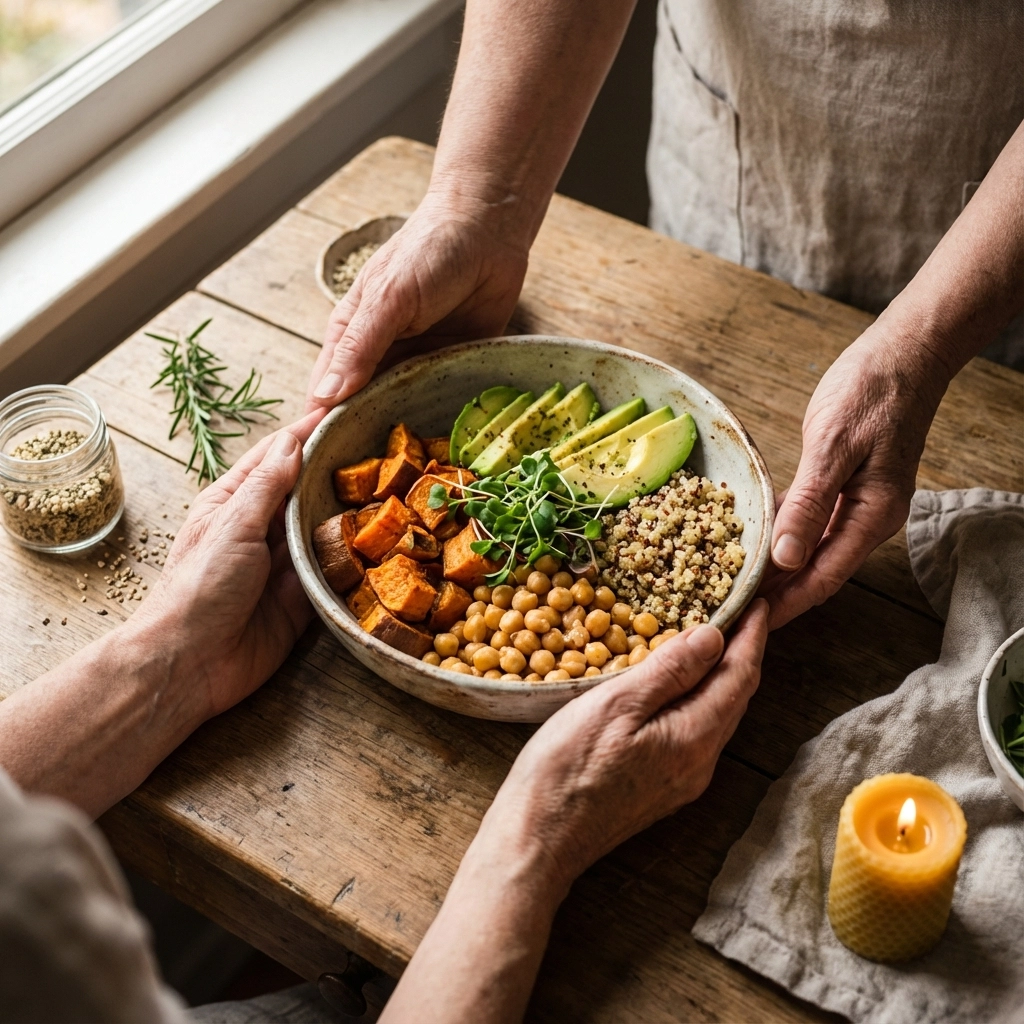
Mindful eating isn't about perfect meditation or eating in silence; it's simply about bringing more awareness to the experience of nourishing yourself. This might mean putting away distractions during meals, taking a few deep breaths before eating, or simply noticing the colors and textures of your food.
Even small moments of mindfulness can shift your eating experience. You might notice flavors you usually miss, recognize satisfaction cues earlier, or simply feel more connected to the nourishment you're receiving.
Mindfulness also helps you catch automatic eating patterns and create space for conscious choice. When you eat with awareness, you naturally begin making choices that truly serve your well-being.
10. What would eating with trust look like today?
Learning to trust your body's wisdom is perhaps the most radical shift from calorie counting. This trust develops slowly, through consistent practice of tuning in and responding to your body's signals.
Trust might mean eating when you're hungry, even if it's "not time" for a meal. It might mean stopping when you're satisfied, even if food remains on your plate. Trust involves believing that your body knows how to guide you toward health when you create the conditions for listening.
This doesn't mean ignoring nutritional knowledge or eating without consciousness. Instead, it means integrating external information with your internal wisdom to make choices that honor both your body's needs and your life circumstances.
Creating Space for Body Wisdom
These questions offer a different path toward wellness; one that honors your body's inherent intelligence while supporting your emotional well-being. Unlike calorie counting, which provides temporary external control, this approach builds lasting internal awareness and trust.
The journey from external tracking to internal awareness takes patience and practice. Some days will feel easier than others, and that's completely normal. Each time you choose to ask these questions instead of checking numbers, you strengthen your connection to the wisdom that has always been available within you.
Remember that this process isn't about achieving perfection or never struggling with food again. It's about developing a kinder, more sustainable relationship with nourishment; one that supports your health without sacrificing your peace of mind.
Your body has been trying to communicate with you all along. These questions simply help you remember how to listen.
Comments